Recent News
-
 April 21, 2026
 -
 April 20, 2026
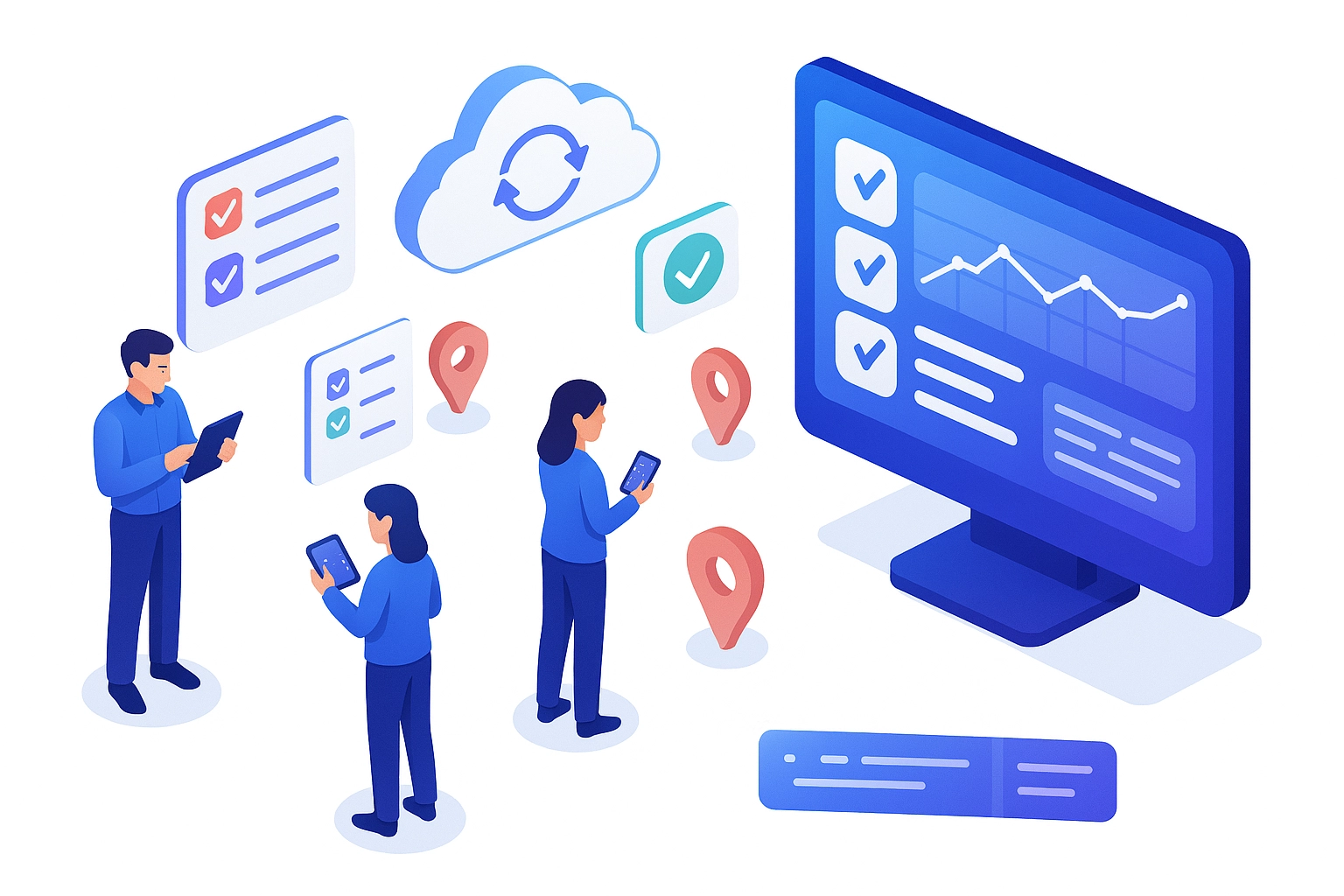
Smart Inspection & Incident Management
-
 April 19, 2026
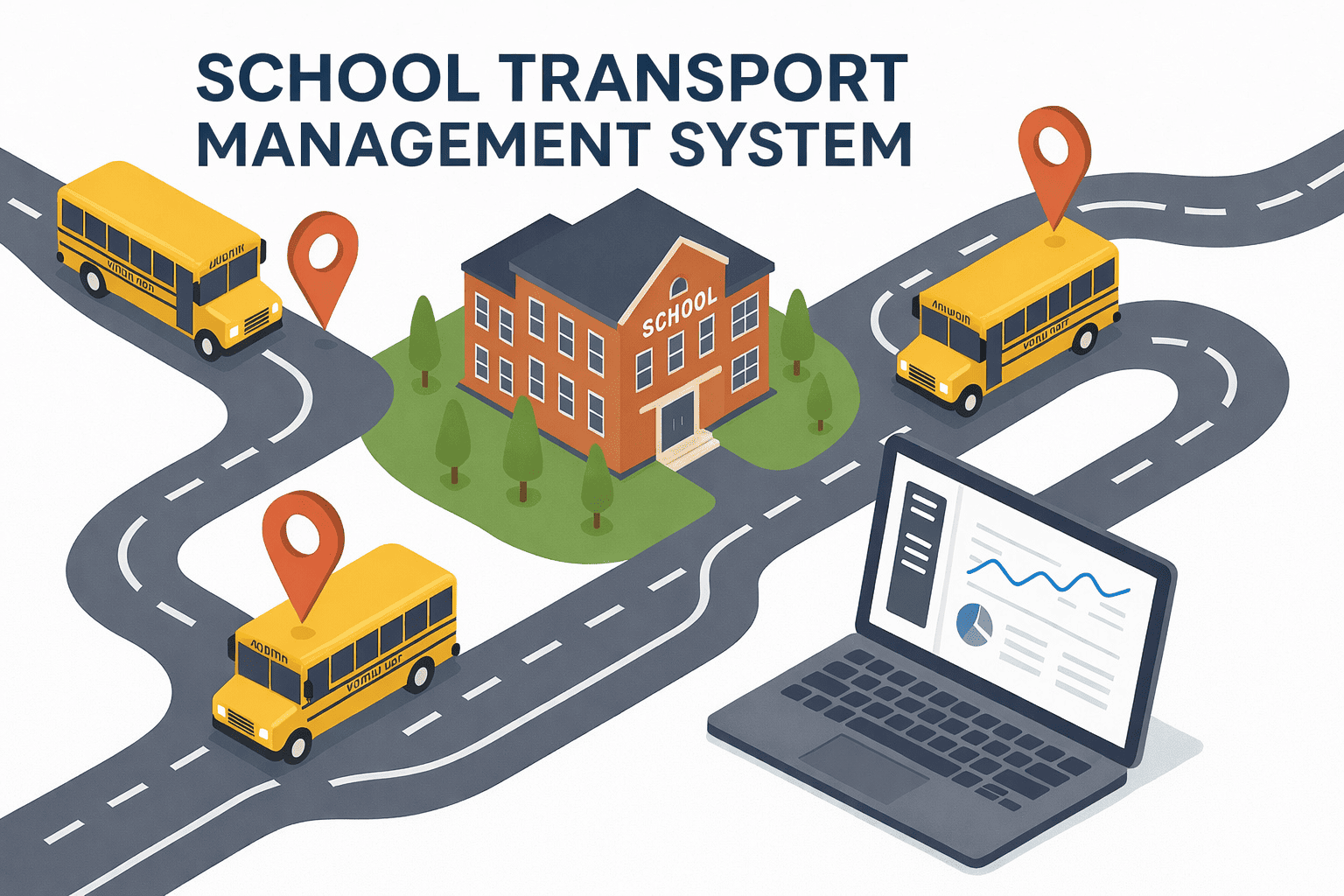
MySecureRide: AI-Powered Transport Management

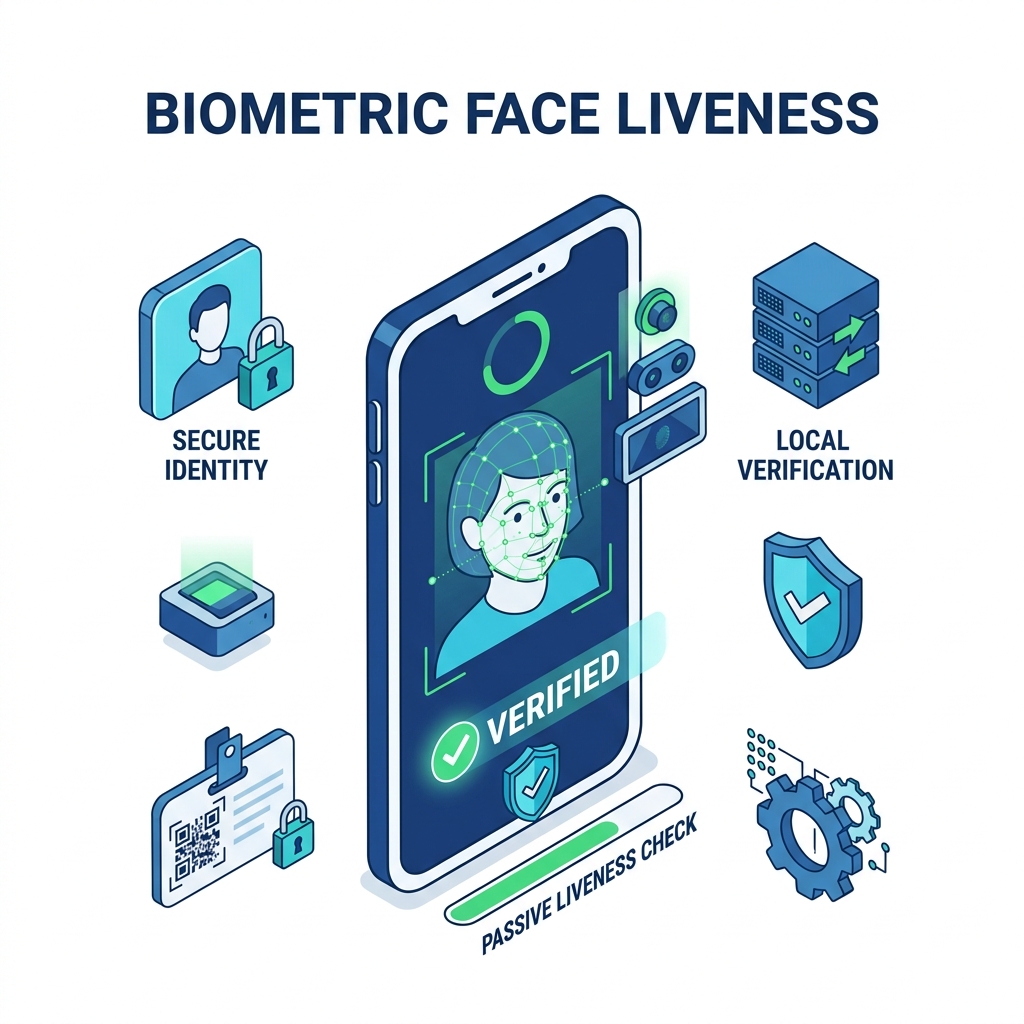
Facial recognition has become the standard for mobile check-ins, attendance tracking, and identity verification. However, as verification systems grow more popular, so do spoofing techniques. Standard facial validation is often bypassed using high-definition screen playbacks, printed photos, or Apple Live Photos. The Binimise Biometric SDK solves this vulnerability by combining on-device 1:1/1:N face matching with offline, bypass-proof 3D passive liveness detection.
This article explores how modern spoofing attacks work, how 3D passive liveness checks prevent fraud, and the privacy and latency benefits of moving to a completely on-device biometric model. Learn more about our technical features and download the demo app from the Binimise Biometric SDK Service Page.
Many face verification systems employ "active" liveness checks. These require the user to perform actions, such as blinking, smiling, turning their head, or speaking a phrase. While these checks verify that the camera is recording a moving subject, they are easily bypassed by sophisticated fraudsters holding up a tablet playing a video recording of the authorized user, or using paper cutouts with eyeholes.
Even worse, "passive" liveness detection without depth mapping can sometimes be fooled by high-resolution photos or Apple Live Photos, which capture short motion clips. True security requires analyzing physical depth and texture anomalies at the device edge.
Passive 3D liveness detection verifies the user's presence without demanding any action or prompt. The user simply looks at the camera frame, and the system completes verification in under 300 milliseconds. Behind the scenes, the AI analyzes:
Traditional biometric flows capture a photo and send it to a cloud server for verification. While this works under ideal conditions, it introduces three major issues:
The Binimise Biometric SDK runs 100% offline. All model inferences, landmark extractions, and verification scores are processed transiently in the device's local memory. The raw images are never stored or uploaded. Instead, they are converted into an encrypted 512-dimension vector hash for instant template matching and discarded.
Our Flutter SDK for Android and iOS includes powerful capabilities for secure applications:
Offline biometrics are crucial across multiple enterprise systems. In workforce management, they eliminate buddy-punching and proxy check-ins at field sites. For school and corporate transit (such as our MySecureRide platform), startup biometric checks ensure only vetted, authorized drivers can start routes, maintaining strict safety compliance.
Securing your user verification process does not have to compromise user experience. Moving to on-device, passive 3D liveness ensures robust security with zero network latency.
Chat with our engineering team on WhatsApp or contact us online to obtain a trial license key and explore the Binimise Biometric SDK.